People don’t travel
to experience reality.
They travel to experience
the world they have imagined.

I develop a hospitality design methodology that transforms collective cultural imagination into commercially successful destinations.

By integrating architecture, guest experience, operations, food & beverage and progressive discovery, I create places that guests continue exploring long after check-in.

Why traditional theming
is no longer enough

Most themed hotels focus on historical accuracy.

Guests rarely do.

People travel to experience the version of a place that already exists in their imagination.

My work begins with that imagined world.

Instead of recreating history, I transform collective cultural expectations into hospitality destinations that feel authentic, commercially sustainable and impossible to experience in a single evening.

The Framework

Collective
Imagination

Every destination begins with one question:

What do people dream of experiencing?

Translation

Those expectations become architecture, interiors, food & beverage, service, rituals and atmosphere.

Progressive
Discovery

The destination gradually reveals itself. Every visit uncovers something new.

Commercial
Ecosystem

Every component strengthens the others. Architecture, restaurants, bars and guest experience become one commercial system.

Repeatable
Methodology

The same principles can be applied to almost any culture, historical period or destination.

Framework Applications

Three examples.
One methodology.

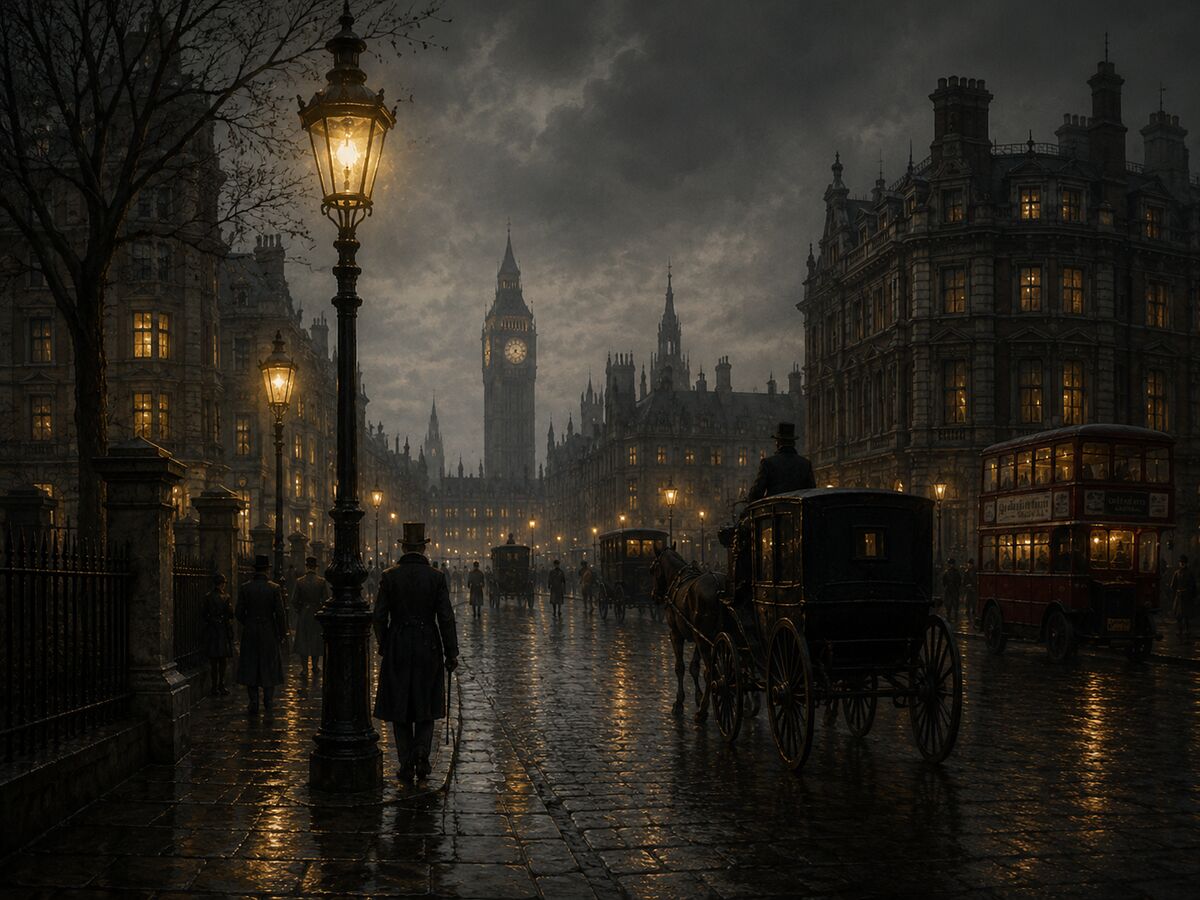
Victorian London — framework application concept
Framework Application 01

Victorian London

Conceptual Direction

People rarely dream of historically accurate Victorian Britain.

They dream of elegant gentlemen’s clubs, quiet luxury, afternoon tea, private libraries, foggy streets and mysterious evenings.

This application demonstrates how collective imagination can become a complete hospitality destination.

Framework Applied
  • Architecture
  • Interior Design
  • Guest Journey
  • Food & Beverage
  • Guest Rituals
  • Commercial Ecosystem

The objective is not historical reconstruction.
The objective is emotional authenticity.

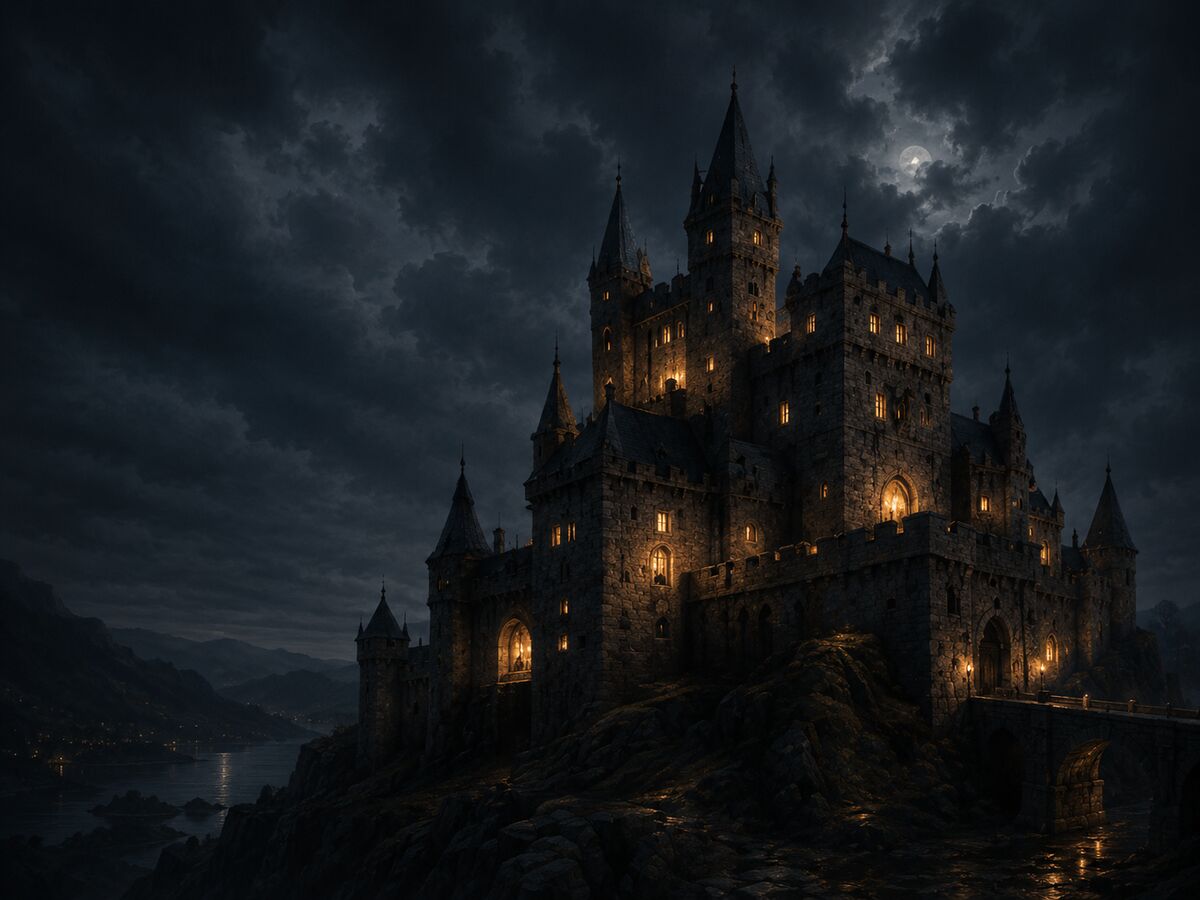
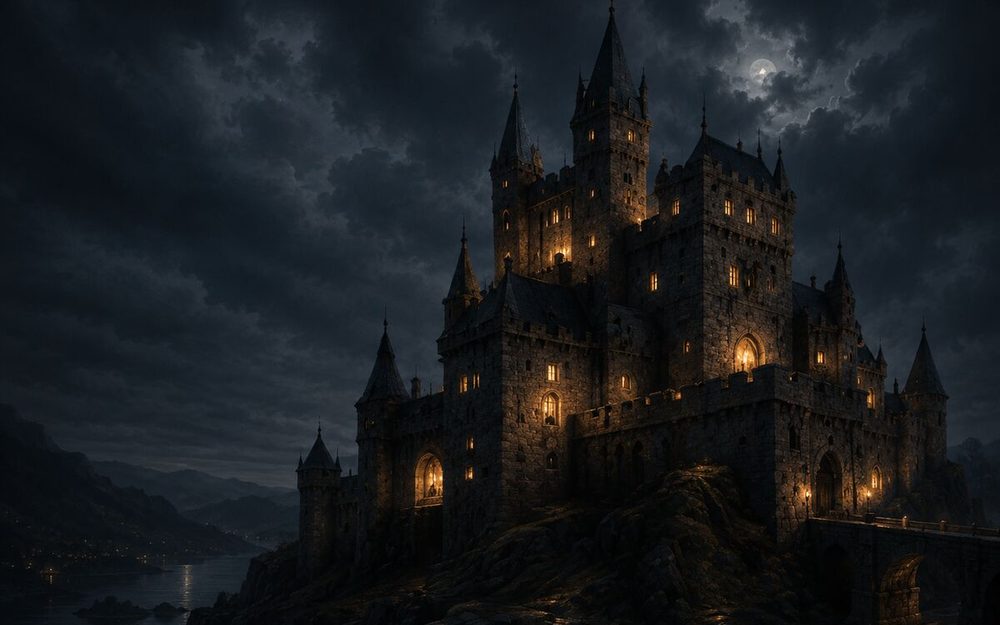
Castle — framework application concept
Framework Application 02

Castle

Conceptual Direction

A contemporary interpretation of the legendary medieval castle.

Mystery. Discovery. Private spaces. Atmosphere. Curiosity.

Rather than recreating medieval life, the destination translates people’s imagination of castles into an immersive hospitality experience.

Framework Applied
  • Architecture
  • Guest Journey
  • Spatial Discovery
  • Guest Rituals
  • Commercial Ecosystem

Curiosity becomes part of the guest experience.

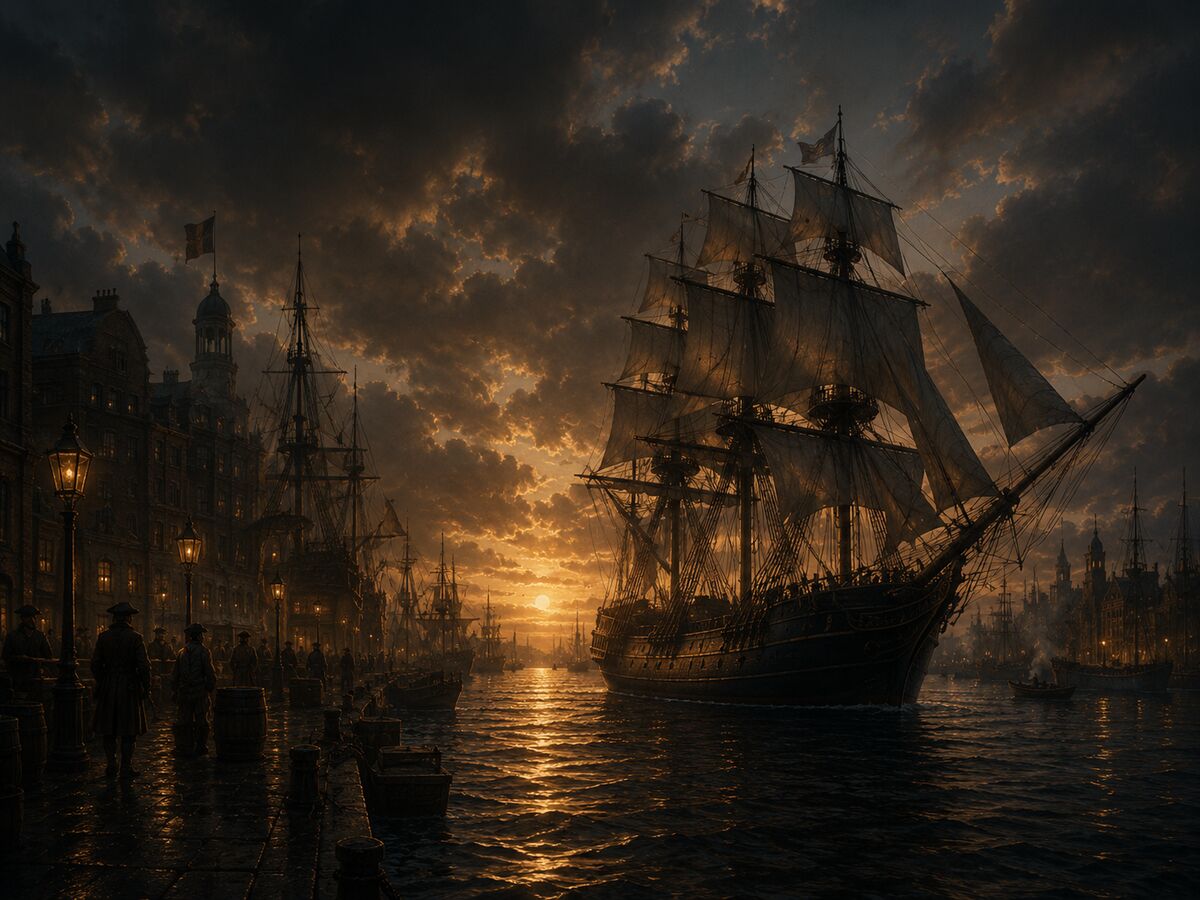
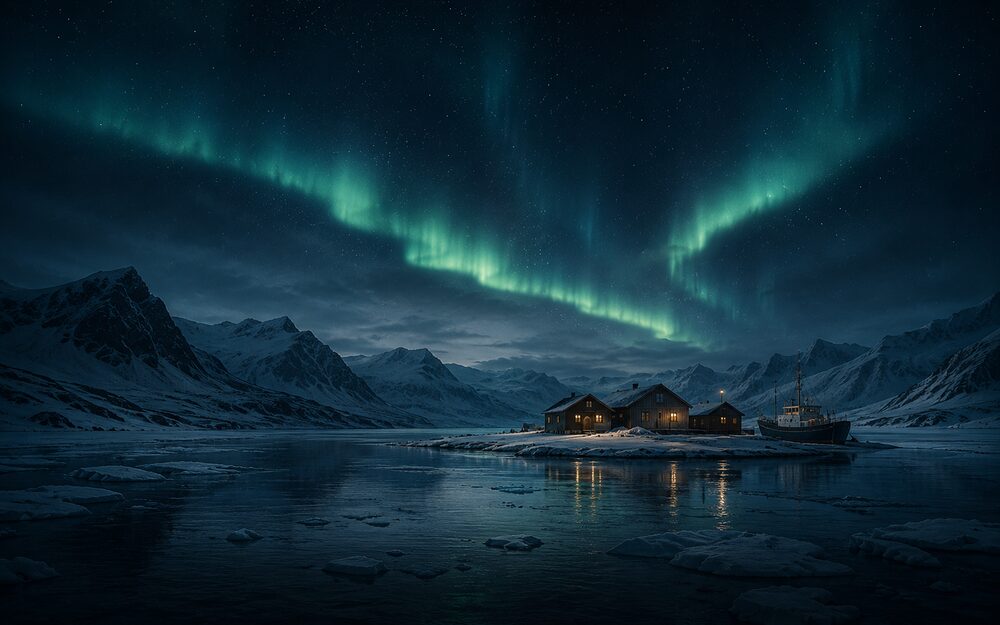
The Admiral's Port — framework application concept
Framework Application 03

The Admiral’s Port

A Maritime Hospitality Destination for Coastal Cities

People rarely dream of an actual port.

They dream of great sailing ships. Ocean voyages. Captains. Exploration. Sea stories. The romance of maritime discovery.

This application demonstrates how the cultural imagination of the sea can become an integrated hospitality destination.

Framework Applied
  • Architecture
  • Food & Beverage
  • Guest Journey
  • Entertainment
  • Commercial Ecosystem

The destination becomes a complete maritime world rather than simply a hotel near the sea.

Who the Framework is for

Hotel Developers

Create destination hotels that stand apart from conventional hospitality.

Hospitality Operators

Increase guest engagement, length of stay and internal spending.

Investors

Develop hospitality concepts with strong commercial logic and long-term differentiation.

Existing Hotels

Transform ordinary properties into destinations worth travelling for.

Mixed-use Developments

Integrate accommodation, restaurants and entertainment into one commercial ecosystem.

Research Series

Seven research papers that introduce a new approach to hospitality design.

Let’s Create the Next Destination
People Will Never Forget

Whether you are developing a new hotel, repositioning an existing property or creating an entirely new hospitality destination, I’d be pleased to discuss how the Framework can be applied to your project.

Contact
About

Behind the Framework

The Narrative Hospitality Framework emerged from more than two decades of observing one recurring contradiction within hospitality.

Properties are designed as collections of buildings, departments and services.

Guests experience them as continuous journeys.

Originally trained as an engineer–mathematician, I entered hospitality through operations rather than through traditional hotel education. Systems thinking, analytical modelling and executive management shaped the way I approached hospitality long before I began developing hotels and hospitality concepts.

Throughout more than twenty years of work in hotel operations, concept development and repositioning projects, I repeatedly encountered the same question:

Why do properties with similar standards create completely different memories?

That question gradually led to the development of the Narrative Hospitality Framework—an approach that views the guest journey, rather than the individual asset, as the primary object of hospitality design.

Today my work focuses on the intersection of hospitality operations, experience architecture and destination strategy, exploring how hotels, restaurants, leisure, culture and public space can function as interconnected parts of one coherent guest experience.

The purpose of this website is to present the public research behind the Framework. The practical design methodology, planning tools and implementation processes that translate these principles into real hospitality projects are developed through professional collaboration with hospitality organisations.

Closing Statement

Narrative Hospitality is not intended to replace architecture, operations, service design or branding. It is intended to connect them through a shared design language centred on the guest journey.